Most people who have heard of Moore County, North Carolina have heard of it for one reason, and that reason is golf. Pinehurst is here. But the county is a good deal bigger than the resort, and the part of it we buy in — the quiet north end, out past Carthage toward the Deep River — is wooded, rural, and about as far from a manicured fairway as you can get while still being twenty minutes from one.
This page is the other side of the brochure: what there actually is to do in and around Moore County if you own land here, written by people who buy land here rather than sell vacations. Longleaf pine forest, sixty-five thousand acres of public game land, a Revolutionary War house ten miles from the county courthouse, horse country, and a pottery town up the road that has been firing kilns for two centuries.
At the end, the honest part: what we have coming in Moore County, and how to hear about it first.
What is on this page
Where Moore County actually is
Moore County sits in the Sandhills, in the south-central part of North Carolina where the Piedmont starts giving way to the coastal plain. The soil turns sandy, the hardwoods thin out and longleaf pine takes over. Carthage is the county seat and holds the courthouse; Pinehurst, Southern Pines and Aberdeen sit in a cluster to the south with most of the shopping, restaurants and medical care. Fayetteville is the nearest big city.
The practical version for a landowner: you are rural without being isolated. From Carthage it is roughly 42 miles to Fayetteville, 59 to Raleigh, 65 to Greensboro and 91 to Charlotte. The regional hospital is over in Pinehurst, and groceries and a hardware store are a good deal closer than that.
The golf, since we have to start there
Pinehurst Resort is the reason Moore County is on the map for most of the country. In 2020 the USGA named it the first ever anchor site of the U.S. Open, which in plain English means the championship keeps coming back on a schedule rather than moving on. Pinehurst No. 2 is booked for the U.S. Open in 2029, 2035, 2041 and 2047, and the U.S. Women’s Open returns in 2029 as well.
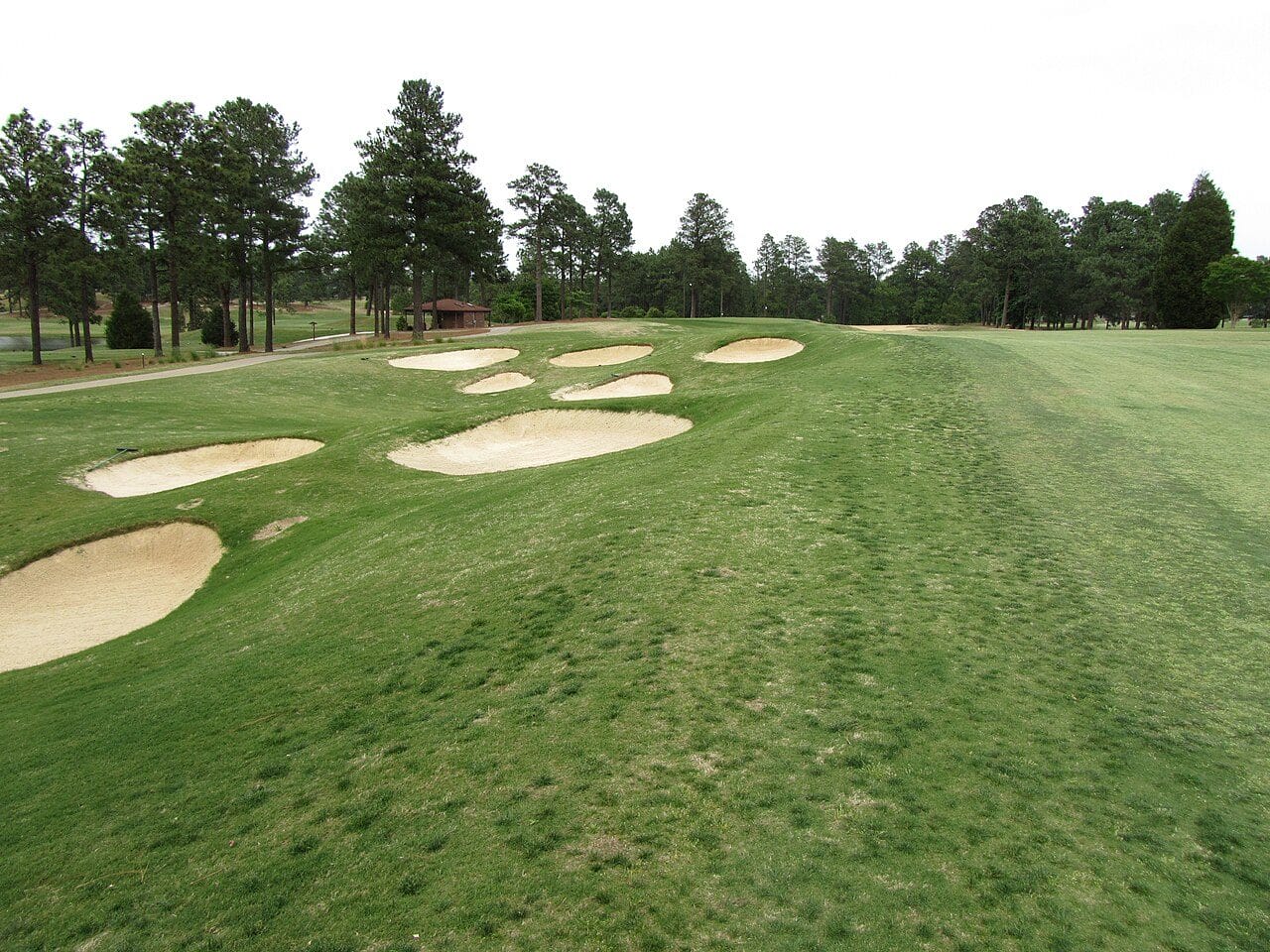
The World Golf Hall of Fame moved here too. It has been managed by the USGA and housed at Golf House Pinehurst since 2024, and roughly 35,000 people walked through the exhibit in its first stretch after opening.
If you do not play golf, this still matters to you as a landowner. A county with four national championships already on the calendar over the next twenty years is a county that keeps investing in its roads, its restaurants and its airport. You do not have to swing a club to benefit from that.
Longleaf pines, game land and the Deep River
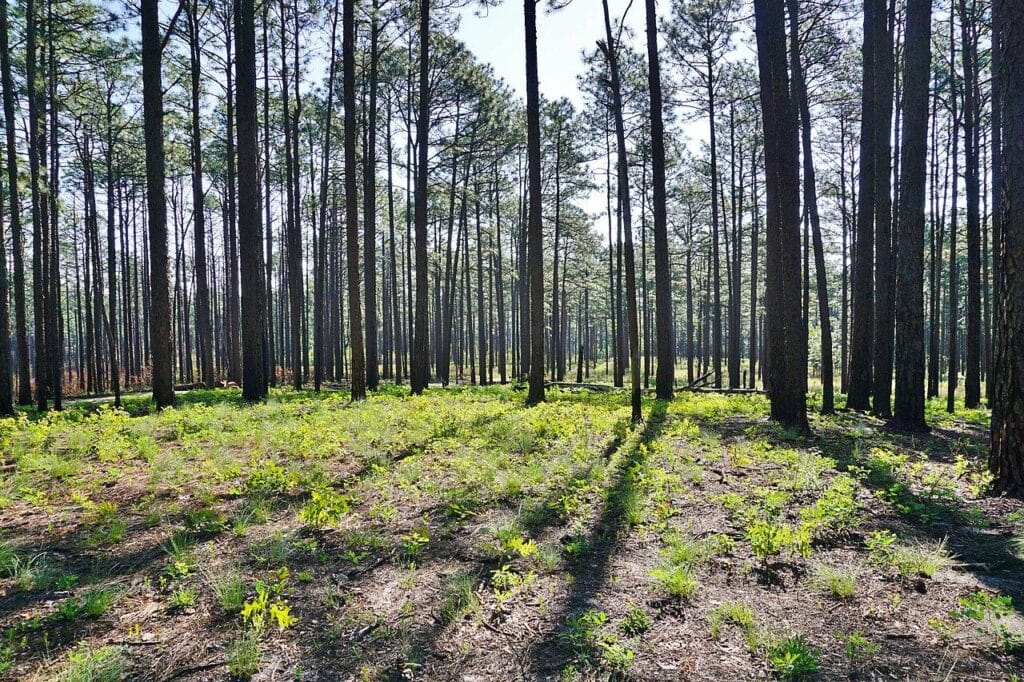
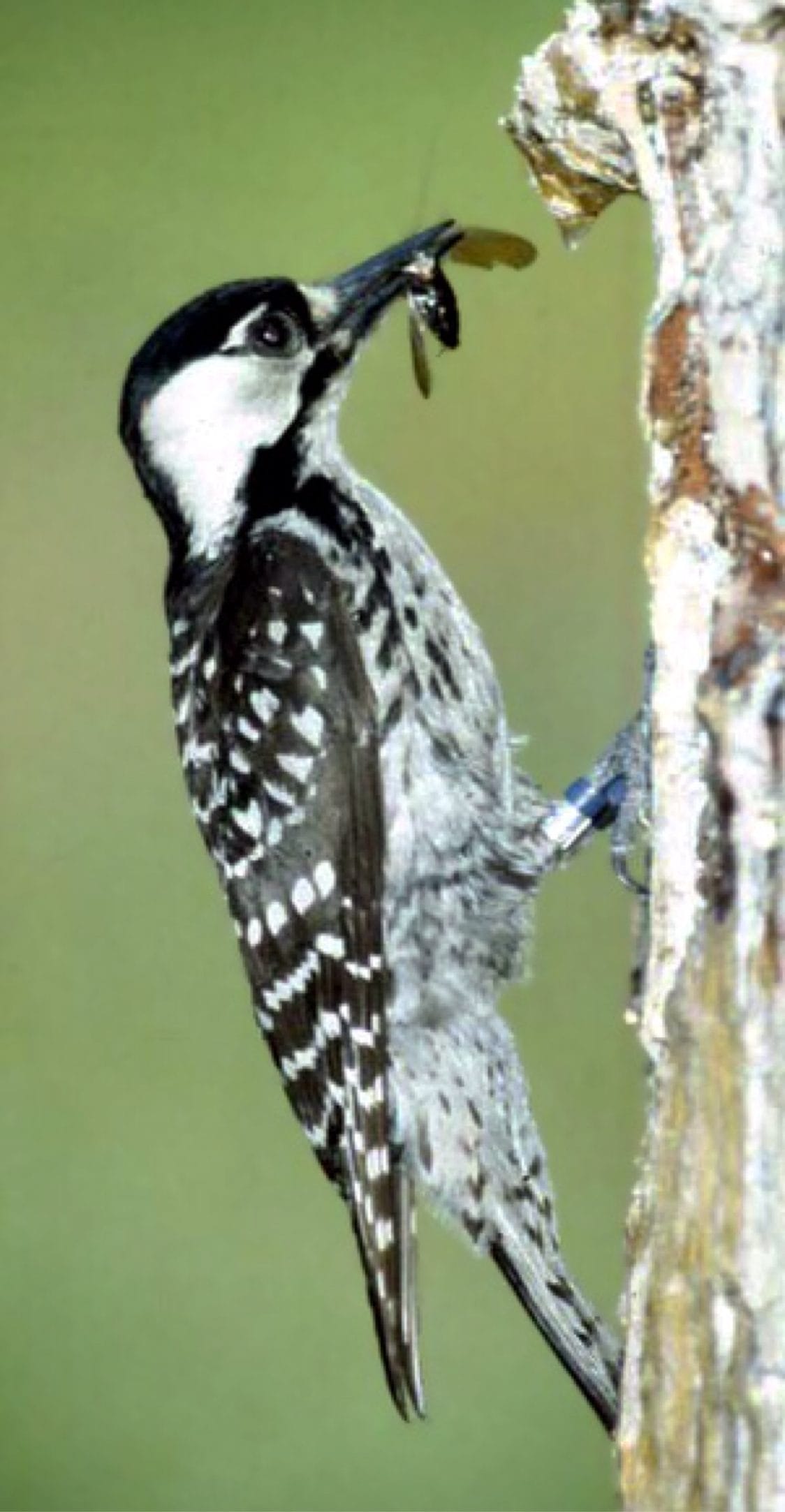
Weymouth Woods Sandhills Nature Preserve in Southern Pines is the one to see first. It is a 930-acre preserve of longleaf pine forest — the habitat that once covered millions of acres across the southeast and now covers very little of it — and it holds the oldest known longleaf pine on record, cross-dated at 458 years old. Six trails, more than four miles total, and every one of them rated easy. More than 500 animal species live there, including about 160 species of birds, red-cockaded woodpeckers and fox squirrels among them.
It is a piece of state parks history as well: it became the first natural area in the North Carolina state parks system in 1963, when Katharine Boyd donated 403 acres of the family estate to the state.
Sandhills Game Land is the big one. It runs to 64,862 acres scattered in tracts across Moore, Hoke, Richmond and Scotland counties, and it is widely called the bobwhite quail capital of North Carolina’s public land. Whitetail deer and small game hunting are both strong here. One thing to plan around: Sandhills is a three-days-per-week game land, so hunting is limited to Mondays, Wednesdays and Saturdays. Check the current season rules with the NC Wildlife Resources Commission before you go.
The Deep River runs along the northern edge of the county, and the stretch near Carthage is quiet paddling and fishing water rather than whitewater. It is the sort of river you put a kayak on for an afternoon, not the sort you drive four hours to run.
Want first look at Moore County land?
We will have tracts here. Get the email before they go on the public listing sites.
One email when something new comes up in Moore County. No spam, and you can unsubscribe in one click. Prefer to talk? Call or text Kristy at (720) 336-1232.
Horse country
The Sandhills have been horse country for more than a century, and Southern Pines is the center of it. The Walthour-Moss Foundation keeps more than 4,000 acres open about a mile outside town — sandy lanes and riding trails through pine woods, bordered by horse farms, functioning as a wildlife preserve and open daily from sunrise to sunset.
South of there, the Carolina Horse Park between Aberdeen and Raeford hosts dressage, eventing and other national and international competitions through the year, and they draw real crowds.
If you have horses, this is one of the few parts of the country where the trail network and the veterinary and farrier support already exist. That is a hard thing to build and an easy thing to buy into.
A Revolutionary War house ten miles from town
House in the Horseshoe is ten miles north of Carthage on the Carbonton-Carthage Road, named for the horseshoe bend in the Deep River it sits above. Philip Alston built it in 1772, and on July 29, 1781 a party of Tories under David Fanning attacked it, eventually rolling a wagon of burning straw against the wall to force a surrender. The house survived. So did the musket ball holes.
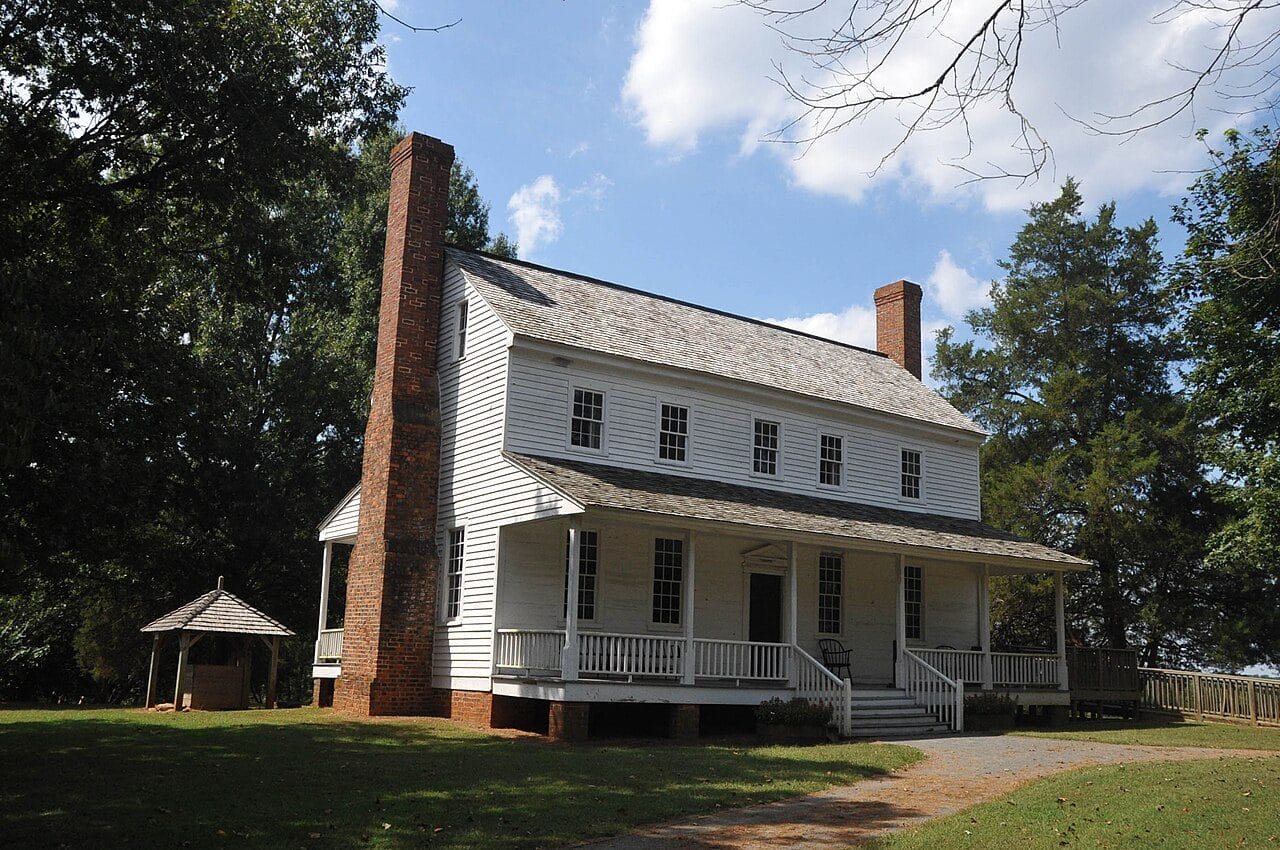
Check before you drive out: the site is closed to visitors while a new visitor center is built, and it is not hosting tours, events or group visits until that opens. As of September 2026 the state expects that in early 2027. Normal hours, when it reopens, are Tuesday through Saturday, 9 a.m. to 5 p.m.
Day trips: pottery, the zoo and the Uwharries
Head north out of the county and you run into three things worth the drive.
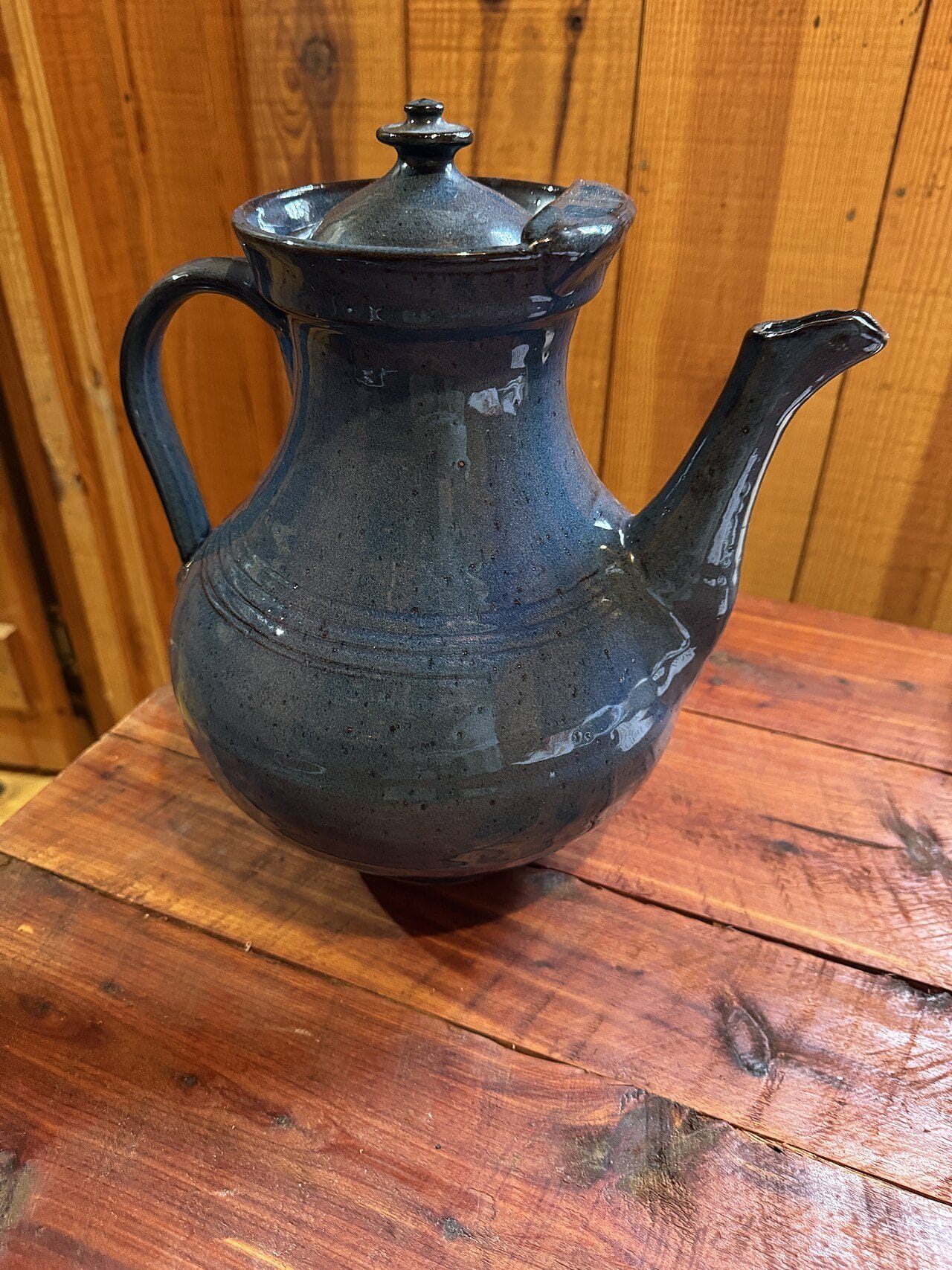
Seagrove is one of the largest working pottery communities in the country — roughly 100 potters live and work within a twenty-mile radius, some of them families who have been throwing the same clay for generations. You can spend a whole Saturday going kiln to kiln.
The North Carolina Zoo in Asheboro, fifteen miles further north, spreads across 2,600 acres of Uwharrie woodland with more than 1,600 animals, and is routinely ranked among the top handful of zoos in the United States. It is a walking zoo, so wear the shoes.
Uwharrie National Forest covers about 50,000 acres and is the only national forest in the North Carolina Piedmont — hiking, hunting, and some of the oldest mountains on the continent worn down to hills.
Carthage itself
Carthage is small, and that is the appeal. It is still called Buggy Town, and the name is earned: the Tyson & Jones Buggy Company worked out of an 1856 building here and was one of the best known carriage makers in the country before engines put an end to that trade. The coffee shop on the square takes its name from it.
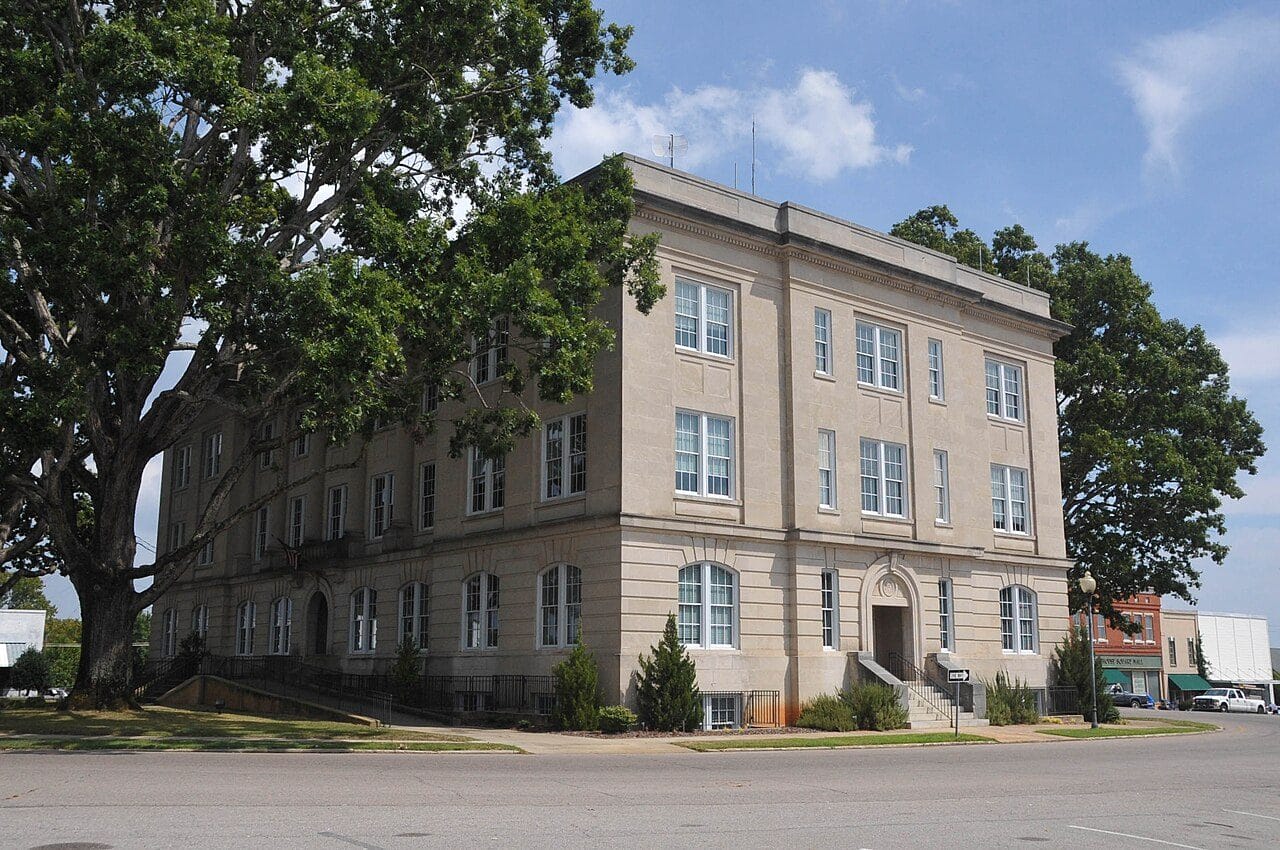
Five of the murals on the Moore County Mural Trail are here in Carthage, one of them telling the story of James Rogers McConnell, a Carthage man who flew with the Lafayette Escadrille in the First World War and has a small air museum named for him nearby. The county fair runs about six days in the middle of October. That is roughly the size of the excitement, and if you are buying land out here that is probably the point.
What we have coming in Moore County
Here is the honest status. We do not have Moore County land listed yet. We are working on a large wooded tract at the north end of the county that we intend to divide into homesite-size pieces — the kind of acreage that has become genuinely hard to find within a half hour of Pinehurst.
When those tracts are ready they will be sold the way we sell everything: owner financing available, no credit check, and the terms published in plain numbers rather than buried. You can read exactly what interest we charge and why before you ever speak to us. If you are new to buying land from a company you found on the internet, read is this a scam as well — it is the most-read page on this site, and for a reason.
For a sense of the format, our Costilla County, Colorado guide is what one of these county pages looks like once we have years of our own sales records behind it. Moore County will get the same treatment as soon as we have the transactions to back it up.
In the meantime, we do have land for sale elsewhere in North Carolina if you would rather not wait.
Be first in line for Moore County
One email when the Moore County tracts are ready. That is the whole list.
One email when something new comes up in Moore County. No spam, and you can unsubscribe in one click. Prefer to talk? Call or text Kristy at (720) 336-1232.